domingo, 9 de janeiro de 2011

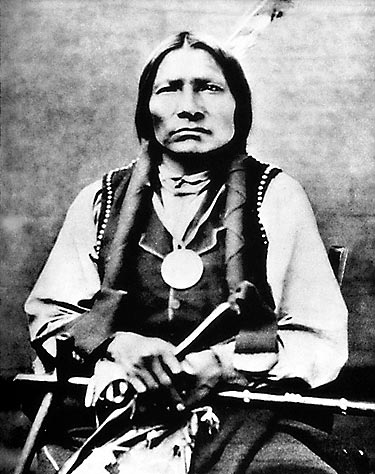
Carta do chefe Seattle

No ano de 1854, o presidente dos Estados Unidos fez a proposta de comprar boa parte das terras de uma tribo indígena, oferecendo, em contrapartida, a concessão de uma outra área. O texto da resposta do Chefe Seattle é considerado um dos mais belos pronunciamento em defesa do meio ambiente.


“Como é que se pode comprar ou vender o céu, o calor da terra? Essa idéia parece estranha. Se não possuímos o frescor do ar e o brilho da água, como é possível comprá-los? Cada pedaço desta terra é sagrado para meu povo. Cada ramo brilhante de um pinheiro, cada punhado de areia das praias, a penumbra na floresta densa, clareira e inseto a zumbir são sagrados na memória e experiência de meu povo. A seiva que percorre o corpo das árvores carrega consigo as lembranças do homem vermelho. Os mortos do homem branco esquecem sua terra de origem quando vão caminhar entre as estrelas. Nossos mortos jamais esquecem esta bela terra, pois ela é a mãe do homem vermelho. Somos parte da terra e ela faz parte de nós.


 As flores perfumadas são nossas irmãs: o cervo, o cavalo, a grande águia, são nossos irmãos. Os picos rochosos sulcos úmidos nas campinas, o calor do corpo do potro, e o homem – todos pertencem à mesma família. Portanto, quando o Grande Chefe em Washington manda dizer que deseja comprar nossa terra, pede muito de nós. O Grande Chefe diz que nos reservará um lugar onde possamos viver satisfeitos. Ele será nosso pai e nós seremos seus filhos. Portanto, nós vamos considerar sua oferta de comprar nossa terra. Mas isso não será fácil. Esta terra é sagrada para nós. Essa água brilhante que escorre nos riachos e rios não é apenas água, mas o sangue de nossos antepassados. Se lhes vendermos a terra, vocês devem lembrar-se de que ela é sagrada, e devem ensinar às suas crianças que ela é sagrada e que cada reflexo nas águas límpidas dos lagos fala de acontecimentos e lembranças da vida do meu povo. O murmúrio das águas é a voz de meus ancestrais.


Os rios são nossos irmãos, saciam nossa sede. Os rios carregam nossas canoas e alimenta nossas crianças. Se lhes vendermos nossa terra, vocês devem lembrar e ensinar a seus filhos que os rios são nossos irmãos, e seus também. E, portanto, vocês devem dar aos rios a bondade que dedicariam a qualquer irmão. Sabemos que o homem branco não compreende nossos costumes. Uma porção de terra, para ele tem o mesmo significado que qualquer outra, pois é um forasteiro que vem à noite e extrai da terra aquilo de que necessita.


 A terra não é sua irmã, mas sua inimiga, e quando ele a conquista, prossegue seu caminho. Deixa para trás os túmulos de seus antepassados e não se incomoda. Rapta da terra aquilo que seria de seus filhos e não se importa. A sepultura de seu pai e os direitos de seus filhos são esquecidos. Trata sua mãe, a terra, e seu irmão, o céu, como coisas que possam ser compradas saqueadas, vendidas como carneiros ou enfeites coloridos. Seu apetite devorará a terra, deixando somente um deserto. Eu não sei, nossos costumes são diferentes dos seus. A visão de suas cidades fere os olhos do homem vermelho.


Talvez seja porque o homem vermelho é um selvagem e não compreenda. Não há um lugar quieto nas cidades do homem branco. Nenhum lugar onde se possa ouvir o desabrochar de folhas na primavera ou o bater das asas de um inseto. Mas talvez seja porque eu sou um selvagem e não compreendo. O ruído parece somente insultar os ouvidos. E o que resta da vida se um homem não pode ouvir o choro solitário de uma ave ou o debate dos sapos ao redor de uma lagoa, à noite? Eu sou um homem vermelho e não compreendo.


O índio prefere o suave murmúrio do vento encrespando a face do lago, e o próprio vento, limpo por uma chuva diurna ou perfumado pelos pinheiros. O ar é precioso para o homem vermelho, pois todas as coisas compartilham o mesmo sopro – o animal, a árvore, o homem, todos compartilham o mesmo sopro. Parece que o homem branco não sente o ar que respira. Como um homem agonizante há vários dias, é insensível ao mau cheiro.


Mas se vendermos nossa terra ao homem branco, ele deve lembrar que o ar é precioso para nós, que o ar compartilha seu espírito com toda a vida que mantém. O vento que deu a nosso avô seu primeiro inspirar também recebe seu último suspiro. Se lhes vendermos nossa terra, vocês devem mantê-la intacta e sagrada, como um lugar onde até mesmo o homem branco possa ir saborear o vento açucarado pelas flores dos prados. Portanto, vamos meditar sobre sua oferta de comprar nossa terra. Se decidirmos aceitar, imporei uma condição: o homem branco deve tratar os animais desta terra como seus irmãos. Sou um selvagem e não compreendo qualquer outra forma de agir. Vi um milhar de búfalos apodrecendo na planície, abandonados pelo homem branco que os alvejou de um trem ao passar. Eu sou um selvagem e não compreendo como é que o fumegante cavalo de ferro pode ser mais importante que o búfalo, que sacrificamos somente para permanecermos vivos.


 O que é o homem sem os animais? Se todos os animais se fossem, o homem morreria de uma grande solidão de espírito. Pois o que ocorre com os animais brevemente acontece com o homem. Há uma ligação em tudo. Vocês devem ensinar às suas crianças que o solo a seus pés é a cinza de nossos avós. Para que respeitem a terra, digam a seus filhos que ela foi enriquecida com as vidas de nosso povo. Ensinem às suas crianças o que ensinamos às nossas, que a terra é nossa mãe. Tudo o que acontecer à terra, acontecerá aos filhos da terra. Os homens cospem no solo, estão cuspindo em si mesmos.


 Isto sabemos: a terra não pertence ao homem; o homem pertence à terra. Isto sabemos: todas as coisas estão ligadas como o sangue que une uma família. Há uma ligação em tudo. O que ocorrer com a terra recairá sobre os filhos da terra. O homem não tramou o tecido da vida; ele é simplesmente um de seus fios. Tudo o que fizer ao tecido, fará a si mesmo. Mesmo o homem branco, cujo Deus caminha e fala com ele de amigo para amigo, não pode estar isento do destino comum. É possível que sejamos irmãos, apesar de tudo. Veremos. De uma coisa estamos certos – e o homem branco poderá vir a descobrir um dia; nosso Deus é o mesmo Deus. Vocês podem pensar que O possuem, como desejam possuir nossa terra; mas não é possível. Ele é o Deus do homem, e Sua compaixão é igual para o homem vermelho e para o homem branco. A terra lhe é preciosa, e feri-la é desprezar seu criador.

Os brancos também passarão; talvez mais cedo que todas as outras tribos. Contaminem suas camas, e uma noite serão sufocados pelos próprios dejetos. Mas quando de sua desaparição, vocês brilharão intensamente. Iluminados pela força do Deus que os trouxe a esta terra e por alguma razão especial lhes deu o domínio sobre a terra e sobre o homem vermelho. Esse destino é um mistério para nós, pois não compreendemos que todos os búfalos sejam exterminados, os cavalos bravios sejam todos domados, os recantos secretos da floresta densa impregnados do cheiro de muitos homens e a visão dos morros obstruída por fios que falam. Onde está o arvoredo? Desapareceu. Onde está a águia? Desapareceu. É o final da vida e o início da sobrevivência.”

O Chefe Seatle nos dá uma verdadeira lição sobre ecologia e sustentabilidade, muito antes destes temas serem recorrentes e atuais, esta visão já era todo um modo de viver de um povo milenar dito "selvagem", cuja filosofia considerava o impacto de suas decisões em não menos que 7 gerações futuras..

Chief Seattle

sábado, 8 de janeiro de 2011

NativeTime: Chief Seattle´s Letter

NativeTime: Chief Seattle´s Letter: "'The President in Washington sends word that he wishes to buy our land. But how can you buy or sell the sky? the land? The idea is strange ..."

Chief Seattle´s Letter


"The President in Washington sends word that he wishes to buy our land. But how can you buy or sell the sky? the land? The idea is strange to us. If we do not own the freshness of the air and the sparkle of the water, how can you buy them?
Every part of the earth is sacred to my people. Every shining pine needle, every sandy shore, every mist in the dark woods, every meadow, every humming insect. All are holy in the memory and experience of my people.


We know the sap which courses through the trees as we know the blood that courses through our veins. We are part of the earth and it is part of us. The perfumed flowers are our sisters. The bear, the deer, the great eagle, these are our brothers. The rocky crests, the dew in the meadow, the body heat of the pony, and man all belong to the same family.
The shining water that moves in the streams and rivers is not just water, but the blood of our ancestors. If we sell you our land, you must remember that it is sacred. Each glossy reflection in the clear waters of the lakes tells of events and memories in the life of my people. The water's murmur is the voice of my father's father.


The rivers are our brothers. They quench our thirst. They carry our canoes and feed our children. So you must give the rivers the kindness that you would give any brother.
If we sell you our land, remember that the air is precious to us, that the air shares its spirit with all the life that it supports. The wind that gave our grandfather his first breath also received his last sigh. The wind also gives our children the spirit of life. So if we sell our land, you must keep it apart and sacred, as a place where man can go to taste the wind that is sweetened by the meadow flowers.


Will you teach your children what we have taught our children? That the earth is our mother? What befalls the earth befalls all the sons of the earth.
This we know: the earth does not belong to man, man belongs to the earth. All things are connected like the blood that unites us all. Man did not weave the web of life, he is merely a strand in it. Whatever he does to the web, he does to himself.


One thing we know: our God is also your God. The earth is precious to him and to harm the earth is to heap contempt on its creator.
Your destiny is a mystery to us. What will happen when the buffalo are all slaughtered? The wild horses tamed? What will happen when the secret corners of the forest are heavy with the scent of many men and the view of the ripe hills is blotted with talking wires?


Where will the thicket be? Gone! Where will the eagle be? Gone! And what is to say goodbye to the swift pony and then hunt? The end of living and the beginning of survival.
When the last red man has vanished with this wilderness, and his memory is only the shadow of a cloud moving across the prairie, will these shores and forests still be here? Will there be any of the spirit of my people left?


We love this earth as a newborn loves its mother's heartbeat. So, if we sell you our land, love it as we have loved it. Care for it, as we have cared for it. Hold in your mind the memory of the land as it is when you receive it. Preserve the land for all children, and love it, as God loves us.
As we are part of the land, you too are part of the land. This earth is precious to us. It is also precious to you.

Chief Seattle


One thing we know - there is only one God. No man, be he Red man or White man, can be apart. We ARE all brothers after all

segunda-feira, 3 de janeiro de 2011

Get to know the Native Stars

( I am still working on this page...more information and more people will be showed here soon )
( Ainda estou trabalhando nesta página, mais informações sobre as personalidades abaixo e mais ainda por vir, aguardem..)

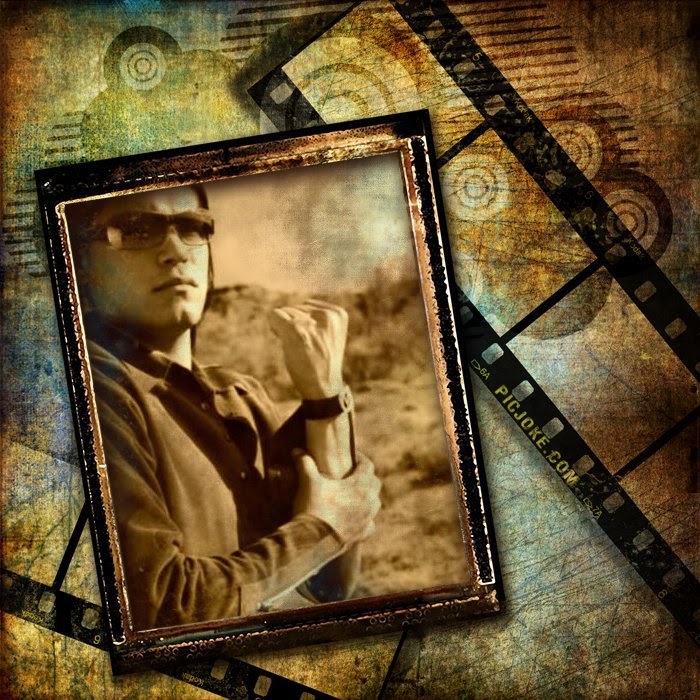
Michael and Eddie Spears
   ( this picture was created by white Wolf Native)

In the past the Indian warriors  fought for resistance and protection of their people and their lands. Life changed, time passed  but we still have native warriors nowadays. These people are not using weapons anymore, they´re using their images and talent and voices as a new way  to fight now for preservation of their people and culture and keep their history alive!!

  Moses Brings Plenty
Many of  these personalities play the roles of their ancestors in movies, are talenty singers and awesome artists . Thru this you can see their people, and learn from them...for me it´s something amazing once personally I got to know Lakota people for the first time by putting my eyes upon a picture of one of these talenty and stunning people. Eventhough he has no idea of this,  he has been my guide to this journey that will head me up to Native lands soon...

Be my guest! I´ll show you here many of stunning native people, their work is such amazing, enjoy it!!


Michael Spears
 ( this picture was created by White Wolf Native )


No passado os guerreiros lutavam por resistencia e proteção do suas terras, familias e comunidades. O tempo passou, o estilo de vida pode ter sido alterado mas nós ainda temos esses mesmos guerreiros, que não utilizam mais armas mas sim suas imagens, suas vozes e multiplo talentos como uma nova forma de preservar sua cultura e manter viva a história de seu povo .

                                                                      Russell Means

Essas talentosas personalidades, hoje representam seus ancestrais em filmes, são fabulosos artistas em diversas áreas. Através de seus trabalhos e arte, podemos ver a história do seu povo e aprender sobre sua cultura. Eu pessoalmente posso considerar isso algo fascinante, logo que comecei meus estudos e pesquizas sobre Povo nativo norte americano uma dessas conhecidas personalidades me chamou a atenção numa foto que dizia " Lakota  ", sabe quando um nome começa a ecoar dentro de você?? Pois foi assim que comecei a sentir a energia desse povo tão distante, mas que tanto me desperta, atravéz de uma bela figura nativa, e mesmo sem ter conhecimento deste fato é meu guia e anfitrião nesta minha jornada rumo as terras indigenas norte americanas

Eddie Spears
Picture created by White Wolf Native
   Here is a list of Awesome Modern Native people
Conheçam agora algumas personalidades que estão marcando esta geração

Revolt collection by Virgil Ortiz
Michael Spears - Lakota
Eddie Spears - Lakota
Tatanka Means -Lakota/Navajo
Rusell Means - Lakota
Tokala Clifford - Lakota
Rick Mora - Yachi - Apacche
Virgil Ortiz - Pueblo
George Leach
Wes Studi - cherokee
Mo Brings Plenty - Lakota
Joseph Marshall III - Lakota
Qorianka Kiltcher - Peruvian indian
Irene Bedard -
....
Rick Mora
Soon I´ll dedicate a special page for each one, so that everyone can know them and their awesome work!!
Tokala Clifford
Em breve teremos uma página especial para cada uma dessas maravilhosas pessoas, para que possam ser conhecidos e reconhecidos por todo o mundo!!
Tatanka Means

The Great warriors from the past must be honored
Eis aqui uma homenagem para os grandes guerreiros que fizeram a história

American horse - Oglala Sioux Chief
Big Foot - Chief of Cheyenne River Rez
Black Elk - Lakota Holy Man
Black Kettle - Peaceful leader of Cheyenne Tribe
Cochise - Apacche chief
Crazy Horse - Sioux warrior
Geronimo
Red Cloud
Roman Nose
Sitting Bull - Lakota chief and Holy Man
Soon I´ll create a special page for each great warrior from the past so that we can know and respect their history!!

If you have something to complement this page please email me: sandra.padmaprem@gmail.com 
  
Crazy Horse -  
Em breve criarei uma página especial para contar história de cada grande guerreiro!!

Sioux - A grande Nação


A nação Sioux é realmente composta de diferente grupos com variação de história e costumes. Estudando os Sioux, o primeiro desafio é entender os vários nomes e lugares das diferentes tribos que eles chamam “bands” . Siouan foi uma familia de linguas indigenas muito popular e tribos em várias partes da América do Norte falavam o dialeto Siouan. Entretanto o nome tribal Sioux se aplica apenas para uma divisão dos que falavam Siouan. O nome Sioux é derivado de uma versão Francesa do dialeto Chippewa que chamavam seus inimigos nadouessioux , uma espécie de cobra. Os Sioux também são conhecidos como Dakota, daonde se original os nomes de dois Estados – Dakota do sul e do norte, nos Estados Unidos da América. No dialeto Siouan, Dakota ( or Lakota e Nakota ) siginifica “amigos”. No passado haviam quatro grupos ancestrais dos Sioux, cada um com tribos diferentes.


O grupo maior era o Teton ( ou Titonwan ) com as seguintes tribos, conhecida hoje como Tribos Lakotas – estando principalmtne nos estados de Dakota do sul e Dakota
Nação Lakota
1 Oglala
2 Brule (Sicangu )
3 Hunkpapa –
4 Miniconjou
5 Oohenopa ( two kettle)
6 Itazipco ( Sans Arcs)
7 Sihasapa ( black foot )


Um segundo grupo eram Santee, com as seguintes tribos ( Dakota )
1 Sisseton
2 Wahpeton
3 Wahpekute
4 Mdewakanton
(O termo Santee usado históricamente mais corretamente se aplica apenas aos grupos Wahpekute e Mdewakanto, e não aos grupos Sisston e Wahpeton. De qualquer forma todos são considerados grupos distintos em história, costumes e dialeto ) 


O terceiro grupo eram os Yankton ( ou lhanktonwan ), somente com uma tribo, O Yankton. ( Nakota )

Um quarto grupo era os Yanktonai (ou Ihanktonwanna), com as seguintes tribos:
1 Yanktonai
2 Hunkpatina
3 Assiniboine .

Os Tetons usam a versão Lakota para seu nome tribal, Santee dizem Dakota, e Yanktonai utilizan Nakota.

Os Sioux  eram um povo muito orgulhoso de sua rica cultura e linhagem. Eles eram os senhores das planícies, temidos por outras tribos. Migrando para o oeste vindo de Minessota  Os Sioux se tornaram nômades das planícies, tendo como vantagem os cavalos que foram originalmente trazidos para a América pelos Espanhóis por volta de 1500. Seguiam e caçavam o buffalo “ tatanka “, eles viviam em “teepees” , um tipo de tenda, o que permitia rápida mobilidade para o grupo.


Embora os Sioux foram conhecidos como grandes guerreiros, a família era considerada o centro de suas vidas. As crianças eram chamadas “wakanisha” o que significava sagrado e eram o centro das atenções. Enquanto monogomia era frequentemente praticada, os homens poderiam ter mais de uma esposa. Entretanto, infidelidade era punida com desfiguramento.


As tarefas dos homens e mulheres eram claramente definidas, esperando-se dos homens prover e defender a família. Caça era levada muito a sério e infringir as regras de caça poderia levar a destruição da teepee ou outra propriedade do guerreiro. Mulheres eram as matriarcas, guiando a família e a vida doméstica da tribo.


Os Sioux eram um povo fortemente espiritualizado, a visão religiosa era cultivada e as pessoas comungavam isso através da musica e dança.

Difícil de entender? De fato é, eu mesma levei meses para entender tudo isso, os nomes, as derivações, mas é tudo muito fascinante, uma história certamente muito rica.
:


A divisão moderna da Nação Sioux é a seguinte:

Cheyenne River Sioux Tribe
Teton Lakota (Sihasapa, Mnicoujou, Itazipco, and Oohenumpa)
Primary location: Cheyenne River Indian Reservation, north-central South Dakota
Website:
http://www.sioux.org/

Oglala Sioux Tribe
Teton Lakota (Oglala)
Primary location: Pine Ridge Reservation, south-western South Dakota
Website:
http://www.lakotamall.com/oglalasiouxtribe/
Website: http://home.comcast.net/~zebrec/index.html

Rosebud Sioux Tribe
Teton Lakota (Sicangu)
Primary location: Rosebud Indian Reservation, south-central South Dakota
Website:
http://www.rosebudsiouxtribe-nsn.gov/

Lower Brulé Sioux Tribe
Teton Lakota (Sicangu)
Primary location: Lower Brulé Indian Reservation, central South Dakota
Website:
http://www.lbst.org/

Yankton Sioux Tribe
Yankton Nakota (Yankton)
Primary location: Yankton Sioux Indian Reservation, south-eastern South Dakota
Website:
http://www.yanktonsioux.com/

Crow Creek Sioux Tribe
Santee Dakota (Mdewakanton)
Yankton Nakota (Yankton)
Primariy location: Crow Creek Indian Reservation, central South Dakota
Website:

Sisseton-Wahpeton Sioux Tribe
Santee Dakota (Sisseton, Wahpeton)
Primary location: Sisseton-Wahpeton Indian Reservation, north-eastern South Dakota
Website:
http://www.earthskyweb.com/sota.html

Flandreau Santee Sioux Tribe
Santee Dakota (Mdewakanton, Wahpekute)
Primary location: Flandreau Santee Sioux Reservation, eastern South Dakota
Website:
http://www.fsst.org/

Standing Rock Sioux Tribe
Teton Lakota (Hunkpapa, Sihasapa)
Yankton Dakota (Yanktonai)
Primary location: Standing Rock Indian Reservation, south-central North Dakota/north-central South Dakota
Website:
http://www.standingrock.org/

Spirit Lake Sioux Tribe
Santee Dakota (Sisseton, Wahpeton)
Primary location: Spirit Lake Tribe Indian Reservation, east-central North Dakota
Website:
http://www.spiritlakenation.com/

Santee Sioux Tribe of Nebraska
Santee Dakota
Primary location: Santee Dakota Indian Reservation, north-eastern Nebraska
Website:
http://www.santeedakota.org/

Upper Sioux Tribe
Santee Dakota
Primary location: Granite Falls, Minnesota
Website:
http://www.uppersiouxcommunity-nsn.gov/

Lower Sioux Community
Santee Dakota (Mdewakanton)
Primary location: Morton, Minnesota
Website:
http://www.lowersioux.com/

Shakopee Mdewakanton Sioux Community
Santee Dakota (Mdewakanton)
Primary location: Prior Lake, Minnesota
Website:
http://www.ccsmdc.org/

Prairie Island Sioux Community
Santee Dakota (Mdewakanton)
Primary location: Welsh, Prairie Island, Minnesota
Website:
http://www.prairieisland.org/

Mendota Mdewakanton Dakota Community
Santee Dakota (Mdewakanton)
Primary location: Mendota, Minnesota
Website:
http://www.mendotadakota.org/

Fort Peck Tribes
Assiniboine and Sioux (Yanktonai, Mdewakanton, Wahpekute, Sisseton, Wahpeton)
Primary location: Fort Peck Indian Reservation, North-East Montana
Website:
http://www.fortpecktribes.org/


domingo, 2 de janeiro de 2011

The Sioux Nation


The Sioux Nation ( a little bit of history )

The Sioux Nation is really made up of different groups with varying histories and customs. In studying the Sioux, the first challenge is to learn the various names and locations of the the different bands ( tribes ). Siouan was a widesperad indian language family and tribes in many parts of north american spoke Siouan dialects. The tribal name Sioux is applied only to a specific division of siouan-speaking people, however. The name is derived from the french version of a chippewa (ojibway) word in the algonquian language. The chippewa tribe used to call their enemies nadouessioux for "adders," a kind of snake.

The Sioux also are known collectively as the dakota, from which has come the names of two U.S states, North and South Dakota. In the siouan language, dakota (or lakota or nakota) means "allies." There were four ancestral branches of Sioux, with different bands in each.

Also The tribes division indicate the original Seven Council Fires or Oceti Sakowin, also known as the Great Sioux Nation.

The largest branch was the Teton (or Titonwan) - prairie village - , with the following bands: Known as Lakota Tribes – mainly located in south and north Dakota.

The Lakota
1 Oglala
2 Brule (Sicangu )
3 Hunkpapa –
4 Miniconjou
5 Oohenopa ( two kettle)
6 Itazipco ( Sans Arcs)
7 Sihasapa ( black foot )

A second branch was the Santee, ( dakota dialect ) with the following bands:
1 Sisseton
2 Wahpeton
3 Wahpekute
4 Mdewakanton
( the term Santee used historically more accurately applies to just the Wahpekute and the Mdewakanton groups, not Sisston and Wahpeton as well. In any case, all four areconsidered distinct dialect groups.)

A third branch was the Yankton ( or Ihanktonwan), with only one band, the Yankton. ( Nakota dialect )

A Fourth branch was the Yanktonai ( or Ihanktonwanna), with the following bands
:
1 Yanktonai
2 Hunkpatina
3 Assiniboine The Assiniboine separated from their relatives andare discussed under their own entry.


The Teton use the Lakota version of the tribal name; the Santee say Dakota; and the Yakton and Yanktonai use Nakota.


The Sioux were proud of their rich heritage. They were the masters of the North American plains and prairies, feared by other tribes from the great lakes to the Rockies.
Migrating west from Minnesota, the Sioux became nomads of the plains, taking advantage of horses which were originally brought to the Americas by the Spanish in the 1500s. Following the buffalo ( tatanka ), they lived in teepees to allow them quick mobility.

Though the Sioux were known as great warriors, the family was considered the center of Sioux life. Children were called "Wakanisha” which meant sacred and were the center of attention. While monogamy was most often practiced, Indian  men were allowed to take on more than one wife. However, infidelity was punished by disfigurement.

The roles of men and women were clearly defined with the men expected to provide for and defend the family. Hunting was taken very seriously and infraction of the hunting rules could lead to destruction of a man’s teepee or other property. Women were the matriarchs, ruling the family and domestic lives of the band.

The Sioux were a deeply spiritual people, believing in one all-pervasive god, Wakan Tanka, or the Great Mystery. Religious visions were cultivated and the people communed with the spirit world through music and dance..


Difficult to understand??...the same for me ..it has been taking months for me to understand this...the more I researched the more I got confused...now we know the Sioux Nation is very large ( yeah..it is ..)divided in different branches with different  bands or tribes....


The modern political divisions are as follows:Cheyenne River Sioux Tribe
Teton Lakota (Sihasapa, Mnicoujou, Itazipco, and Oohenumpa)
Primary location: Cheyenne River Indian Reservation, north-central South Dakota
Website:
http://www.sioux.org/

Oglala Sioux Tribe
Teton Lakota (Oglala)
Primary location: Pine Ridge Reservation, south-western South Dakota
Website:
http://www.lakotamall.com/oglalasiouxtribe/
Website: http://home.comcast.net/~zebrec/index.html

Rosebud Sioux Tribe
Teton Lakota (Sicangu)
Primary location: Rosebud Indian Reservation, south-central South Dakota
Website:
http://www.rosebudsiouxtribe-nsn.gov/

Lower Brulé Sioux Tribe
Teton Lakota (Sicangu)
Primary location: Lower Brulé Indian Reservation, central South Dakota
Website:
http://www.lbst.org/

Yankton Sioux Tribe
Yankton Nakota (Yankton)
Primary location: Yankton Sioux Indian Reservation, south-eastern South Dakota
Website:
http://www.yanktonsioux.com/

Crow Creek Sioux Tribe
Santee Dakota (Mdewakanton)
Yankton Nakota (Yankton)
Primariy location: Crow Creek Indian Reservation, central South Dakota
Website:

Sisseton-Wahpeton Sioux Tribe
Santee Dakota (Sisseton, Wahpeton)
Primary location: Sisseton-Wahpeton Indian Reservation, north-eastern South Dakota
Website:
http://www.earthskyweb.com/sota.html

Flandreau Santee Sioux Tribe
Santee Dakota (Mdewakanton, Wahpekute)
Primary location: Flandreau Santee Sioux Reservation, eastern South Dakota
Website:
http://www.fsst.org/

Standing Rock Sioux Tribe
Teton Lakota (Hunkpapa, Sihasapa)
Yankton Dakota (Yanktonai)
Primary location: Standing Rock Indian Reservation, south-central North Dakota/north-central South Dakota
Website:
http://www.standingrock.org/

Spirit Lake Sioux Tribe
Santee Dakota (Sisseton, Wahpeton)
Primary location: Spirit Lake Tribe Indian Reservation, east-central North Dakota
Website:
http://www.spiritlakenation.com/

Santee Sioux Tribe of Nebraska
Santee Dakota
Primary location: Santee Dakota Indian Reservation, north-eastern Nebraska
Website:
http://www.santeedakota.org/

Upper Sioux Tribe
Santee Dakota
Primary location: Granite Falls, Minnesota
Website:
http://www.uppersiouxcommunity-nsn.gov/

Lower Sioux Community
Santee Dakota (Mdewakanton)
Primary location: Morton, Minnesota
Website:
http://www.lowersioux.com/

Shakopee Mdewakanton Sioux Community
Santee Dakota (Mdewakanton)
Primary location: Prior Lake, Minnesota
Website:
http://www.ccsmdc.org/

Prairie Island Sioux Community
Santee Dakota (Mdewakanton)
Primary location: Welsh, Prairie Island, Minnesota
Website:
http://www.prairieisland.org/

Mendota Mdewakanton Dakota Community
Santee Dakota (Mdewakanton)
Primary location: Mendota, Minnesota
Website:
http://www.mendotadakota.org/

Fort Peck Tribes
Assiniboine and Sioux (Yanktonai, Mdewakanton, Wahpekute, Sisseton, Wahpeton)
Primary location: Fort Peck Indian Reservation, North-East Montana
Website:
http://www.fortpecktribes.org/
More information about the Sioux Nation can be found in different websites, book and movies or thru the Tribes websites, all the references mentioned here in this blog.

 It´s important to know the history to understand the present, and at the present the nation is no longer fighting for resistance, but for preservation!! ( more information is yet to come )

sábado, 1 de janeiro de 2011

Good reading - Enjoy it!!

If you enjoy a good reading and knowledge here is a selection of some good books about Native Nations. I promise to keep on feeding this section as soon as I get to know new books!! If you have any suggestion for this page, or an interesting website to be visited please send to sandra.padmaprem@gmail.com


None Fiction - about Native Americans
( I want to thank my friend Tricia , avalon-medieval for their support in this page and friends from others websites and blogs )
  •  The Wisdom of the Native Americans by Kent Nerburn
  •  Wisdom Sits In Places Landscape and Language Among The Western Apache by Keith H. Basso
  •  Ishi’s Brain In Search of America’s last “Wild” Indian by Orin Stran
  • Enclyclopedia of Native American tribes third Edition - Carl Waldman The Dull knifes of Pine Ridge: A lakota Odyssey

Here are some suggestion about Shammanism reading
  •  "The Realms of Healing" - Alberto Villoldo & Stanley Krippner - Dimensions
  • "The Medium, the Mistic, and the Physicist" Lawrence LeShan - Pequin USA
  • Basic Problems of Ethnopsychiatry" - George Devereux - University Chicago Press
  • "Hallucinogens and Shamanism" - Michael Harner - Oxford University Press
  • "The Shaman and The Magician" - Nevill Drury - Routled & Kegan Paul
  • "Imagery in Healing" - Jeana Achterberg - Shambhala Publications
  • "Shamanic Origins of Religion and Medicine" - Weston La Barre - Un. of Oklahoma
  • "Peyot Cult" - Weston La Barre - Un. of Oklahoma
  • "Persuasion and Healing" - Jerome Frank - Johns Hopkins Univ.
  • "Shamanic Voices" - Joan Halifax - Arkana
  • "Planet Medicines" - Richard Grossinger - North Atlantic Books
  • "Wind Wabun e Bear Sun" - Grysalis Mulligan - Fireside, Simon & Schuster
  • "Navaho Religion" - Gladys A, Reichard - Princeton Bolligen
  • "Navaho Symbols of Healing" - Donald Sandner - Spring Publications
  • "Shaman, Healer, Sage" - Alberto Villoldo - Harmony Books
  • "Island of The Sun" - Alberto Villoldo - Inner Tradctions
  • "Indian Healing" - Wolfgang G. Jilek - Hancock House Publishers
  • "An Encyclopenia of Shamanism" - Christina Pratt - Rosen Publishing
  • "The Vision Keepers: Walking for Native Americans and the Earth" - Doug Alderson - Quest Books
  • "Visionary Plant Consciousness: The Shamanic Teachings of the Plant World" - J.P. Harpignies - Park Street Press
  • "Plant Spirit Shamanism: Traditional Techniques for Healing the Soul" - Ross Heaven and Howard G. Charing - Destiny Books
  • "Higher Wisdom: Eminent Elders Explore the Continuing Impact of Psychedelics" - Roger Walsh and Charles S. Grob - SUNY Press
  • "The Woman in the Shaman's Body: Reclaiming the Feminine in Religion and Medicine" - Barbara Tedlock - Bantam Dell
  • "The Encyclopedia of Psychoactive Plants: Ethnopharmacology and Its Applications" - Christian Rätsch - Park Street Press
  • "Divination and Healing: Potent Vision" - Michael Winkelman and Philip M. Peek - University of Arizona Press
  • "Exploring Shamanism: Using Ancient Rites to Discover the Unlimited Healing Powers of Cosmos and Consciousness" - Hillary S. Webb - New Page Books
  • "Shamanism in Siberia: Russian Records of Indigenous Spirituality" - Andrei A. Znamenski - Kluwer Academic Publishers
  • "Keeping Heart on Pine Ridge: Family Ties, Warrior Culture, Commodity Foods, Rez Dogs, and the Sacred" - Vic Glover - Native Voices
  • "Ropes to God: Experiencing the Bushman Spiritual Universe" - Bradford Keeney - Ringing Rocks Press
  • "Magic of the Ordinary: Recovering the Shamanic in Judaism" - Gershon Winkler - North Atlantic Books
  • "Shamanism and Tantra in the Himalayas" - Claudia Müller-Ebeling, Christian Rätsch, and Surendra Bahadur Shahi - Inner Traditions

Some nice websites that I´ve been visiting


Algo que eu considero muito importante para quem tem interesse em Nações Nativas, é  conhecer suas histórias, para entender o seu povo e aprender a respeita-lo.

Para quem gosta de uma boa leitura e conhecimento, segue uma lista de livros interessantes sobre Xamanismo e Nações Nativas. Continuarei sempre alimentando esta página na medida que for conhecendo mais leituras que possam ser interessantes ou conforme meus amigos e parceiros forem recomendando, listarei sempre todos. Se você tem alguma sugestão para esta página, envie para sandra.padmaprem@gmail.com .

Infelizmente a maioria dos livros e websites sobre a Nação Lakota e outras nações norte americanas não possuem versão em Português...Mas em breve postarei a história Lakota entre outras, com sua cultura, religião, e muito mais. Se você fala inglês, então poderá acessar os links de outros websites e se divertir, caso contrário, poderão conhecer todas as histórias aqui mesmo, assim que eu receber permissão para ter aqui textos de outros webistes e poder traduzi-los....verifiquem o blog sempre!!! :)


  • O caminho do xamã – Michael Harner
  • As cartas do caminho sagrado - Jamie Sams
  • Karuna healing ( cura kahuna- práticas de cura da polinésia) – Serge Kahili King
  • Hurban Shaman ( O xamã urbano ) – Serge Kahili King
  • Os caminhos da cura – Francisco Di Biase


(Estas são leituras recomendadas no meu curso de Xamanismo, e outras que pesquizei,  resolvi partilha-las no blog )
  • "Caminhando com os Ventos" - Wagner Frota
  • "Um Aprendizado Mágico" - Steven Foster & Meredith Little - Editora Campus
  • "O Espírito do Xamanismo" - Roger N. Walsh - Editora Saraiva
  • "Cartas Xamânicas" - Jamie Sams - Rocco
  • "Dançando o Sonho" - Jamie Sams - Rocco
  • "O Resgate da Alma" - Sandra Ingerman - Editora Record
  • "A Dança dos Curandeiros" - Carl A. Hammerschlag - Editora Record
  • "O Roubo do Espírito" - Carl A. Hammerschlag - Editora Record
  • "Os Quatro Ventos" - Alberto Villoldo - Agora
  • "Os Segredos do Xamanismo" - Jose Stevens & Lena S. Stevens - Objetiva
  • "O Físico, o Xamã e o Mísitico" - Patrick Drouot - Nova Era
  • "Iniciação" - Elizabeth B. Jenkins - Nova Era
  • "Iniciação de uma Xamã" - Kay Cordell Whitaker - Editora Record
  • "Shabono" - Florinda Donner-Grau - Editora Record
  • "Sonhos Lúcidos" - Florinda Donner-Grau - Editora Record
  • "Sastun" - Rosita Arvigo - Editora Nova Era
  • "O Vôo da Águia - Léo Artése - E. Roka
  • "O Espírito Animal" - Léo Artése - E. Roka
  • "Os Quatro Compromissos" - Don Miguel Ruiz - Ed. Best Seller
  • "O Xamanismo e as Técnicas Arcaicas do Êxtase" - Mircea Eliade - Martins Fontes
  • "O Caminho do Xamã" - Michael Harner - Cultrix
  • "A Serpente e o Círculo" - Namua Rahesha - Pensamento
  • "Na Trilha do Templo do Sol - Ghandarva - Editora Liz de Ouro
  • "A Voz dos Quatro Elementos" - Alba Maria - Madras
  • "Anuário da Grande Mãe" - Mirella Faur - Ed. Gaia
  • "Almanaque Mágico" - Mirella Faur - Forças Ocultas
  • "Chamalu, os Passos do Peregrino" - Chamalu - Ed. Record
  • "Canção do Vento" - Mario Scherer - Shan Editores
  • "E...O Ancião Falou" - Antón Ponce de Leon Paiva - Ground Editora
  • "Quando um Raio Atinge um Beija-Flor" - Foster Perry - Ground Editora
  • "A Floresta Violeta" - Foster Perry - Ground Editora
  • "As Máscaras de Deus - Mitologia Primitiva" - Joseph Campbell - Ed Pallas Athena
  • "A Travessia das Feiticeiras" - Taisha Abelar
  • "O Caminho Quádruplo" - Angeles Arrien - Ágora
  • "A Erva do Diabo" - Carlos Castañeda - Nova Era
  • "Uma Estranha Realidade" - Carlos Castañeda - Nova Era
  • "Viagem a Ixtlan" - Carlos Castañeda - Nova Era
  • "Porta para o Infinito" - Carlos Castañeda - Nova Era
  • "O Segundo Círculo de Poder" - Carlos Castañeda - Nova Era
  • "O Presente da Águia" - Carlos Castañeda - Nova Era
  • "O Fogo Interior" - Carlos Castañeda - Nova Era
  • "O Poder do Silêncio" - Carlos Castañeda - Nova Era
  • "A Arte do Sonhar" - Carlos Castañeda - Nova Era
  • "Passes Mágicos" - Carlos Castañeda - Nova Era
  • "A Roda do Tempo" - Carlos Castañeda - Nova Era
  • "O Lado Ativo do Infinito" - Carlos Castañeda - Nova Era
  • "O Poder dos Animais" - Valéria Silvéria Wagner - Editora Gente
  • "Magia Xamânica" - Derval Gramacho e Victória Gramacho - Madras
  • "Magia do Amor" - Djalma Sayão Lobato - Editora Sulina
  • "O Andarilho Espiritual" - Hank Wesselman - Racco
  • "A Sabedoria do Xamã" - Hank Wesselman - Racco
  • "A Jornada Cósmica do Xamã" - Araken Guedes Barbosa - Livro Rápido
  • "Os Ensinamentos de Don Carlos" - Victor Sánchez - Nova Era
  • "Águia Dourada Que Canta" - Marcia Simões Lopes